News Info
Go back
28 July, 2015, 03:25 AM
Why AYUSH must go mainstream-a microbiologist’s critical view Ritu Bhatia
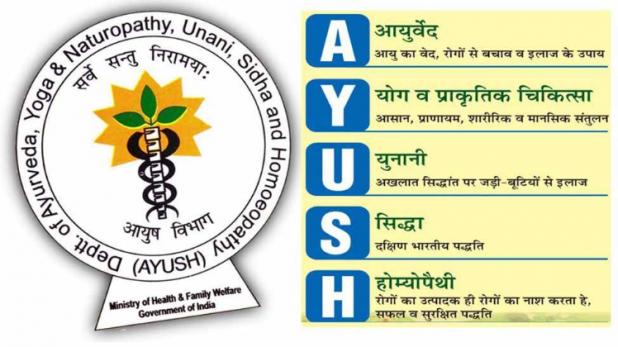
Ritu Bhatia Let’s accept that radically different therapeutic systems exist, and it is realistically possible to sync them for better health Anyone under the impression that the oomph generated by Prime Minister Narendra Modi on World Yoga Day has fuelled the popularity of other traditional or AYUSH therapies will be disappointed to learn otherwise. Most Indians still seek the services of private, allopathic doctors when they are unwell, confirms a recent survey by the National Sample Survey Office (NSSO). The majority of urban and rural respondents in the survey expressed a preference for private doctors and allopathic treatments over AYUSH remedies, reflecting the higher value attributed to modern medicine. Nothing has changed despite Modi’s move to upgrade Indian systems of medicine by establishing a ministry for ayurveda, yoga and naturopathy, unani, siddha and homoeopathy (AYUSH) last year, and allocating ₹1,200 crore towards this end. In March 2015, India had just over nine lakh allopathic doctors and nearly eight lakh AYUSH practitioners. Throughout the country’s history, AYUSH therapists have either outnumbered or matched MBBS doctors. A decade ago, the ill-fated National Rural Health Mission (NRHM) — an initiative of the Centre aiming to address the health needs of the underserved rural areas — attempted to integrate AYUSH systems and facilities with the existing healthcare infrastructure, with the intention of converging different paradigms of practice. The newly formed AYUSH ministry, however, has other ideas: to simply set up standalone AYUSH clinics alongside other departments of medicine within hospitals and promote a system of “inclusion†that enables patients to choose alternative treatments. But how really are these disparate systems supposed to work to serve the best interests of patients, considering that no proper protocol has been established? Get realistic Indeed, several barriers to the integration of AYUSH with modern healthcare systems exist today, primarily the fact that practitioners of ayurveda or homoeopathy differ from allopaths in their understanding of anatomy, physiology, and disease and its treatment. Though cross-practice is legally prohibited in India, the time has come to review the implications of this ban — the idea may have been to prevent quackery, but that is outdated today as it inhibits the possibility of integrated medical prescriptions, and limits the future of integrative medicine in the country. Philosophically divergent systems can be brought together only when systems and their practitioners are open to learning and evolution. This requires trust building between allopaths and practitioners of AYUSH, an understanding of strengths and weaknesses of each system, and an establishment of accountability mechanisms. Identifying and documenting which illnesses respond best to which systems of medicine, and establishing treatment protocol, will enable us to realise the vision of integrative medicine in India. It’s time for the AYUSH ministry to change its tune. The writer is a microbiologist who specialises in writing about health issues http://www.thehindubusinessline.com/opinion/why-ayush-must-go-mainstream/article7448352.ece @http://www.homeobook.com/why-ayush-must-go-mainstream-a-microbiologists-critical-view/
Source: